


INSIGHT – a biobank to help predict pregnancy complications
Research institute:
King’s College London
Project dates:
Grant Awarded: 16 May 2023
Funding awarded:
Grant Amount: £19,405 per annum
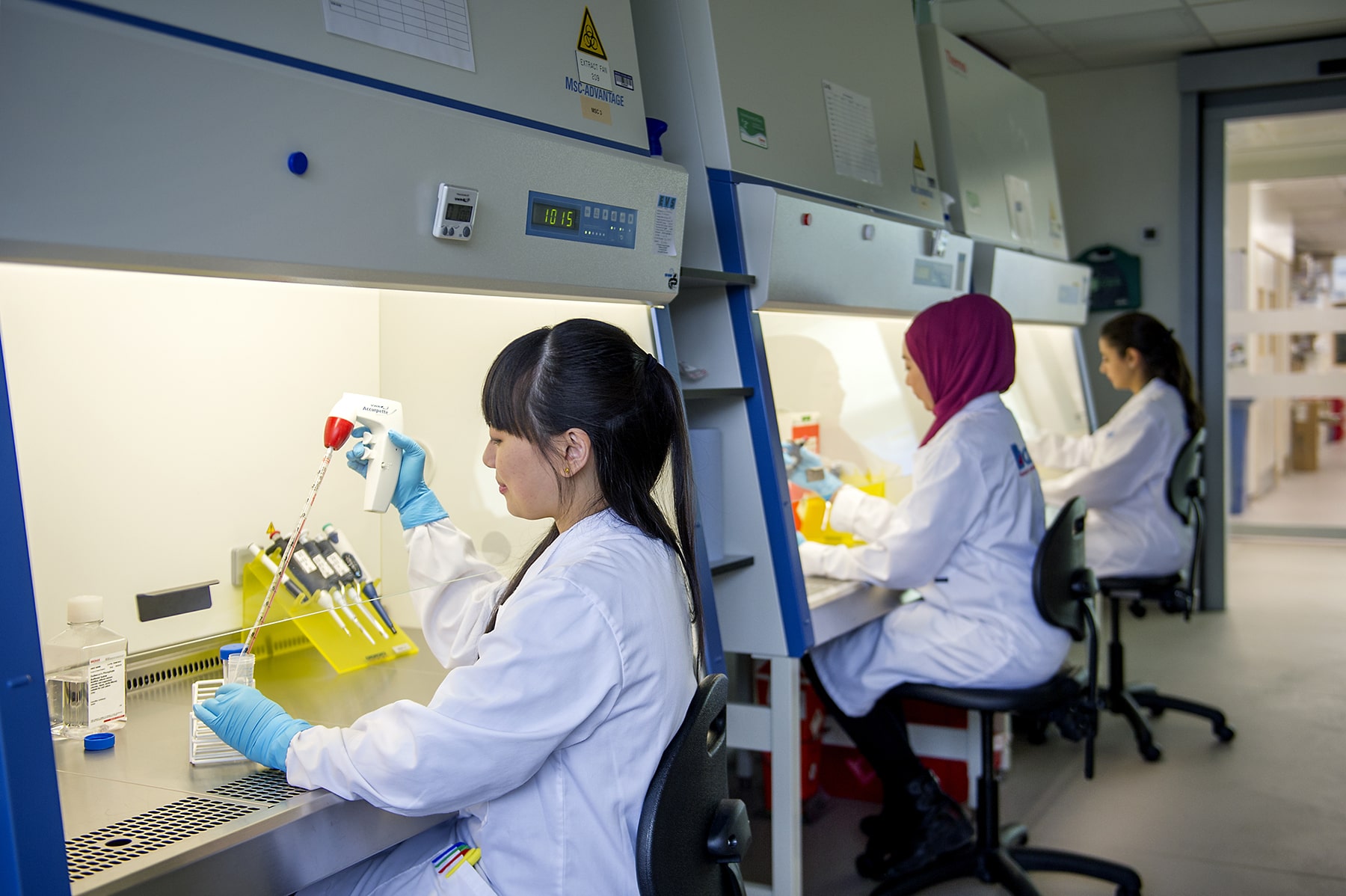
Many women who go into labour prematurely do so without any early warning. We need to find better ways to tell whether a woman is at risk of preterm birth or other pregnancy complications. The INSIGHT biobank has collected samples from thousands of pregnant women. This resource is helping scientists develop tests that will mean doctors can intervene early to prevent babies from being born too soon.
The challenge
Many women who give birth prematurely do so without any early signs that they were at risk. We need new ways to spot if a woman is likely to go into preterm labour, so that doctors can stop their baby from being born too soon.
The project
Research into predicting preterm birth has been hampered by a lack of good quality biological samples, donated by a large number of pregnant women.
To address this, the INSIGHT project was started in 2013 by King’s College London. Samples from over 2,300 pregnancies have been collected and stored in the INSIGHT biobank. The aim is to create a resource that would allow scientists to develop ways to spot early signs that a pregnant mother might go into preterm labour.
Borne has been supporting INSIGHT since 2021. The original INSIGHT biobank was focussed on finding early indicators of preterm birth. Since then, the project has expanded into a phase called INSIGHT-2, to also look at other pregnancy complications such as preeclampsia, gestational diabetes, and foetal growth restriction.
The INSIGHT project is recruiting a diverse group of women being looked after in hospitals in Central London. Some of the women donating samples to INSIGHT are known to have a high risk of preterm birth, while others are considered to be at normal risk.
Each woman recruited to the INSIGHT cohort is asked to donate multiple samples during and after their pregnancy. This will mean that scientists can look for changes over time that might predict pregnancy complications. Parents are also asked to agree to their baby donating samples after birth and in their early years. This will allow researchers to look at how any problems with a mother’s pregnancy might affect the health of their child.
The samples and information collected include:
- Blood samples
- Swabs of the cervix and vagina
- Hair samples (to measure levels of a hormone called cortisol, associated with stress)
- Cervical length measurements (an indicator of whether someone is likely to go into labour)
- Saliva from mother and baby
- Foetal fibronectin (a protein that can indicate preterm birth)
- Questionnaires to explore the mother’s physical and mental health
The INSIGHT biobank has already collected more than 150,000 samples, and has contributed to a wide range of research collaborations, including:
- Understanding how the vaginal environment affects risk of preterm birth.
- Impact of pregnancy problems on the baby’s immune system.
- Impact of chronic stress and anxiety on risk of preterm birth.
- Cell free RNA as a predictor of preterm birth.
- Air pollution as a risk factor for preterm birth.
- Refinement of the QUiPP app – a clinical decision-making tool designed for health professionals to calculate individual risk scores of preterm birth.
- Development of a new tool to measure changes to the cervix during pregnancy.
- Understanding how type-1 diabetes in the baby might originate during pregnancy.
What difference will this project make?
We need to get better at predicting preterm birth and other pregnancy complications. The INSIGHT biobank is providing scientists with a hugely valuable resource to develop and test methods to spot any problems early. Tests like these will allow doctors to intervene to prevent complications – and help more babies be born healthy.
Project details
Project Leader
Prof Rachel Tribe
Location
King’s College London
Project Team
Carlotta Valensin, Emilie JM Côté, Daniela Pereira-Carvalho, Glen Nishku, Lisa Story, Andrew H Shennan, Natalie Suff, Deena L Gibbons.


