


Multi Institute
BUMP – the Borne Uterine Mapping Project
BUMP is a world-leading project creating a map of the womb during labour to revolutionise understanding of preterm birth, accelerate scientific breakthroughs, and stop babies being born too soon.


Lunenfeld-Tanenbaum Research Institute, Toronto, Canada
Testing the long-term health impact of a new drug to prevent preterm birth
Prof Stephen Lye and colleagues have identified a drug which can prevent preterm birth in animal studies. In this project, the team are investigating whether the drug improves the long-term health of newborns. The evidence generated promises to...

Chelsea & Westminster Hospital, London
The FAB study – testing an omega-3 oil supplement to prevent preterm birth
Previous research has suggested that omega-3 fatty acids may prevent preterm birth, but clinical trials of supplements have had mixed results. The FAB study is testing the benefits of a particular supplement in a group of women in India with low...

Imperial College London
Investigating how immune cells help the placenta to implant correctly
Dr Viki Male and her team have found that immune cells called uNK1 cells may play a key role in helping the placenta implant into the womb correctly. In this project, Dr Male is studying tiny protein-filled packages inside uNK1 cells, to understand...
Imperial College London
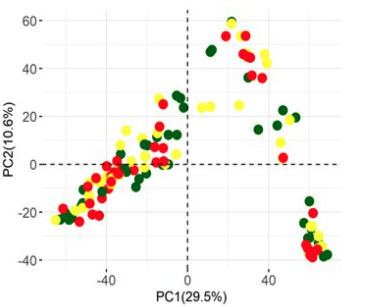
Understanding the changes in the womb during labour
To find ways to prevent preterm birth, we need to better understand how normal full-term labour begins. As part of BUMP, Dr Brendan Browne has generated rich data from tissue samples taken from various locations within the womb, donated by women...

Imperial College London
Understanding the role of the mother’s immune system in preterm birth
Dr Antonia Cuff studied how immune cells called ILC3s behave in pregnancy, helping uncover how the mother’s immune system may influence preterm birth and support future prevention strategies.

Multi Institute
Preventing infections that cause preterm birth
Prof Donald Peebles and his team tested a gene therapy to strengthen natural cervical defences against infection. Their work could lead to new ways to prevent infection-triggered preterm birth.

King’s College London
Developing a new test to spot early signs of preterm labour
Prof Rachel Tribe’s team studied tiny extracellular vesicles from the cervix and vagina to detect early warning signs of preterm labour, aiming to help prevent premature birth.
Multi Institute
Finding targets to develop new treatments to delay preterm labour
Prof Michael Taggart’s team mapped molecular differences in womb muscle and placental tissues to support the development of safer drugs that delay preterm labour without harmful side effects.

Multi Institute
Understanding preterm birth in female survivors of childhood cancer
Dr Melanie Griffin explored the risk of preterm birth in female survivors of childhood cancer and how their maternity care varies, informing improvements to care and guidance across the UK.

Multi Institute
Developing a new immunotherapy to prevent preterm birth
Prof Rachel Tribe tested a new cell therapy that suppresses the immune system in the womb, showing potential to delay preterm birth and support future clinical trials.

Multi Institute
Preventing preterm birth after a previous emergency C-section
Prof Andrew Shennan is comparing vaginal versus transabdominal cervical stitches in women with a previous emergency C-section to find the most effective way to prevent preterm birth.

Multi Institute
The role of the immune system in initiating labour
Dr Viki Male has identified immune cells active during labour and is investigating whether they help initiate labour, potentially paving the way for new treatments to prevent preterm birth.

Multi Institute
Boosting the cervix’s antibacterial defences
Dr Ashley Boyle and team are testing a gene therapy to boost the cervix’s natural antibacterial defences, aiming to prevent infection-related preterm birth and protect babies’ health.
UCL Great Ormond Street Institute of Child Health
Understanding the link between birth defects and preterm birth
Babies born with birth defects are more likely to be born preterm. Prof Andrew Copp’s study explores why, and whether folic acid may help reduce this risk.
Multi Institute
Testing a new immunotherapy to prevent preterm birth
Prof Rachel Tribe will continue testing a placenta-derived cell therapy to suppress harmful immune activity in pregnancy, aiming to prevent preterm birth and protect babies’ brain health.
King’s College London
INSIGHT – a biobank to help predict pregnancy complications
The INSIGHT biobank has collected samples from thousands of pregnant women to help scientists develop tests to predict preterm birth and pregnancy complications, enabling earlier intervention and healthier outcomes.

Multi Institute
Evaluating a new test to find the best treatment to delay preterm labour
Prof Suhas Kallapur is evaluating a new DNA test that could identify bacteria causing infections in the amniotic fluid faster, helping women in preterm labour receive the right treatment sooner and potentially preventing babies from being born too...

Multi Institute
Can ancient viruses cause preterm birth?
Dr Miguel Branco is investigating whether ancient virus-derived DNA in our genome can trigger inflammation in the placenta, potentially causing preterm birth and offering new pathways to predict and prevent it.

Institute for Women’s Health, University College London
Understanding genetic risk of preterm birth in British South Asian women
Dr Julia Zöllner is investigating whether DNA variations contribute to higher preterm birth rates in British South Asian women, aiming to improve prediction and prevention of early labour.

Imperial College London
Developing a new test to predict preterm birth
Prof Stuart Haslam is studying sugar molecules (glycans) in cervicovaginal fluid to see if they can predict preterm birth, enabling early intervention to stop babies being born too soon.
Multi Institute
PROMPT – evaluating tests to help give the right treatment to delay labour
Dr Nishel Shah is assessing rapid tests to identify infections causing preterm labour faster than standard methods, so mothers can receive the right antibiotics to delay birth.

Imperial College London
Understanding the role of the immune system in healthy pregnancies
Dr Emily Whettlock studied uterine immune cells in healthy pregnancies, uncovering how NK cells change across pregnancy and support placental implantation, informing future preterm birth prevention research.
Multi Institute
Investigating how the immune system helps the placenta to implant
Dr Shreya Sheth is investigating how uterine immune cells help the placenta implant, aiming to understand what goes wrong in pregnancies ending in preterm labour and develop future interventions.